Posted May 18, 2026

By Matt Insley
DoorDash and Deadly Sins
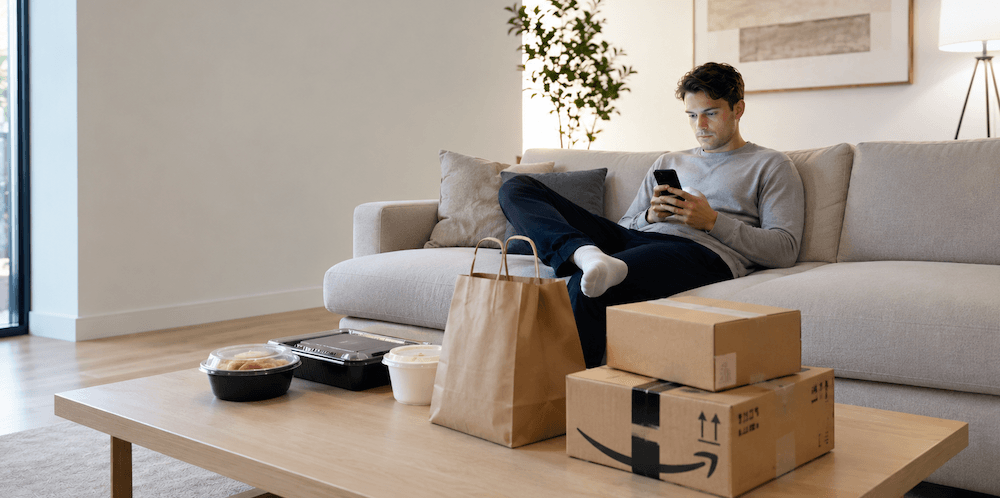
It’s a Tuesday night. You’re tired. Dinner’s not happening. Your couch is winning.
So you open an app, tap three times and a stranger is at your door with pad thai twenty minutes later.
The grocery-store visit? Home cooking? Silicon Valley calls these “pain points.”
But the shift goes far beyond food delivery.
Amazon delivered more than 8 billion items same-day or next-day to U.S. Prime members in 2025 — a 30% jump from the year before.
Streaming has largely replaced movie theaters. And smartphones have replaced asking strangers for directions, memorizing phone numbers… or even tolerating five minutes of boredom in a checkout line.
Little by little, modern life has been redesigned to eliminate friction — in this case, human interaction and movement — wherever possible.
Unsurprisingly, researchers link food delivery platforms to more sedentary behavior and reduced physical activity. More than 40% of American adults, according to the CDC, are now obese.
At a certain point, you have to believe companies are monetizing two of humanity’s oldest vices: sloth and gluttony.
To be clear, this isn’t some anti-technology manifesto; convenience can be a wonderful thing.
But from a stock market standpoint, here’s where things get dicey…
Your Rundown for Monday, May 18, 2026...
Convenience Stocks in a Hard-Luck Economy
During Paradigm’s editorial meeting last week, chart expert Greg Guenthner mentioned DoorDash (DASH) as a potential short candidate — not an official recommendation, mind you, just an observation.
Beneath the glossy growth story, the company’s underlying economics still look shaky.
The American Association of Individual Investors labeled DASH “ultra expensive” last year based on several valuation metrics.
And despite years of explosive growth, DoorDash has posted net losses virtually every year since going public.
The bull case certainly exists. Revenue growth remains strong. The company is expanding internationally. Wall Street analysts keep pushing ambitious price targets.
Entire corners of the market are even built on the assumption that consumers will continue paying premiums to avoid small inconveniences indefinitely.
But the bear case is surprisingly simple.
Delivery is a luxury.
And luxuries tend to disappear quickly when consumers get stressed.
A recession changes behavior fast. So does inflation.
Suddenly, paying extra fees for food delivery starts looking less essential when groceries, rent and insurance all move higher at the same time.
The other problem? There’s almost no real moat.
Switching from DoorDash to Uber Eats to Grubhub requires about thirty seconds and a different app icon. The company offering the best coupon wins.
For investors, that’s not exactly the kind of brand loyalty that inspires long-term confidence.
The pandemic temporarily transformed delivery apps into essential infrastructure. Investors may have mistaken that temporary moment for a permanent shift in human behavior.
Maybe they’re right.
But markets eventually rediscover an old truth: There’s a difference between useful and necessary.
In a tough economy, “instant everything” may turn out to be less durable than Wall Street expects.
Market Rundown for Monday, May 18, 2026
S&P 500 futures are down 0.15% to 7,415.
Oil’s down 0.40% to $105 for a barrel of WTI.
Gold is down slightly to $4,559 per ounce.
Bitcoin’s down to $77,670.
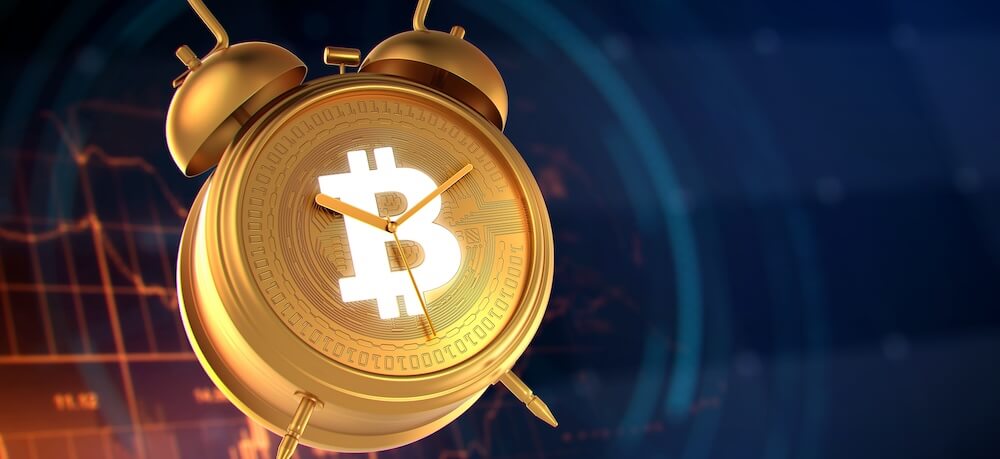
Bitcoin, Bessent and a $40 Trillion Time Bomb
Posted August 24, 2026
By Matt Insley
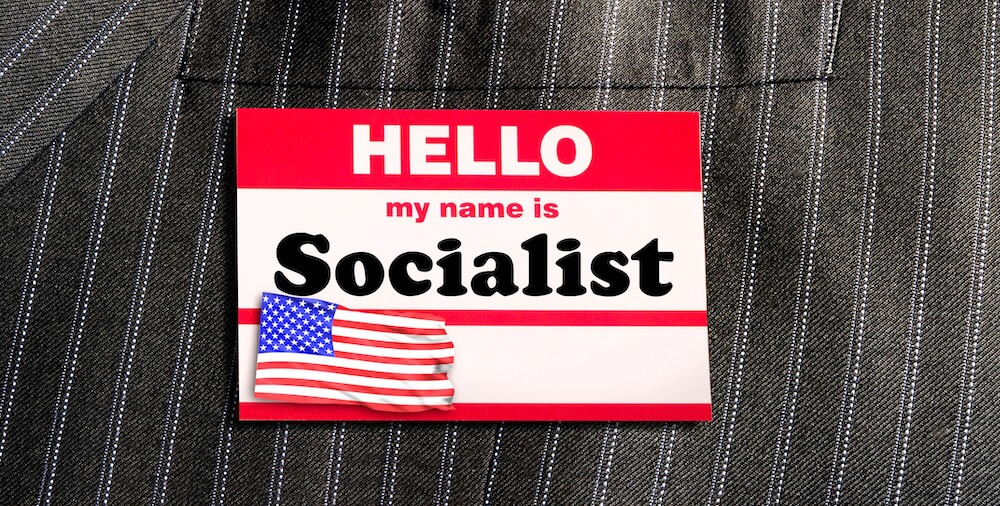
120,000 Socialists Have a Plan
Posted August 21, 2026
By Matt Insley

Trump Claims Deed to Hormuz
Posted August 19, 2026
By Matt Insley
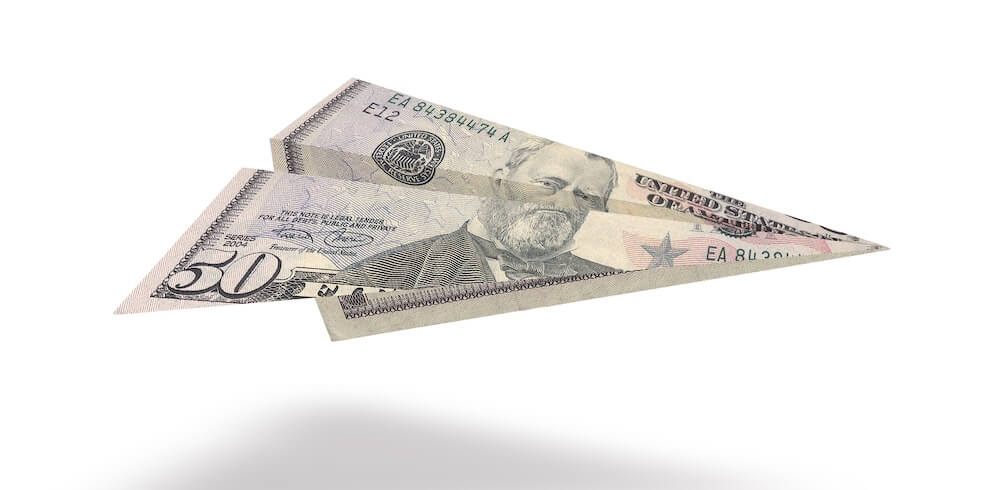
Airfares Up 25%
Posted August 17, 2026
By Byron King

AOC Wants a Do-Over
Posted August 14, 2026
By Matt Insley
