Posted October 23, 2026

By Matt Insley
Soros and Scott: The Sequel
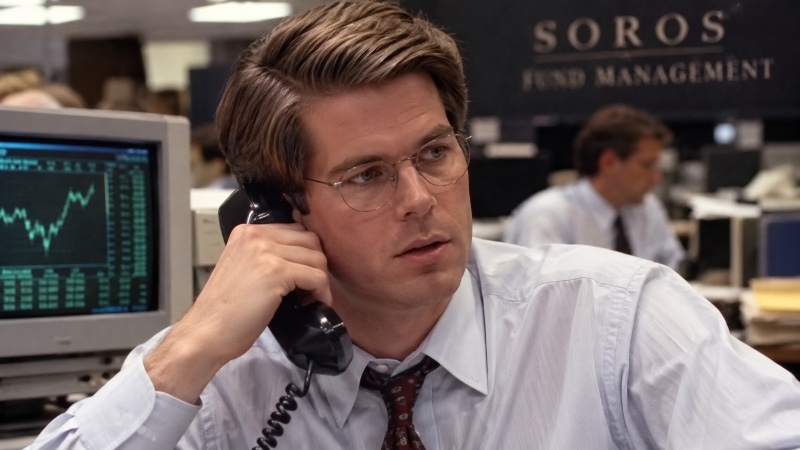
In September 1992, George Soros made more than $1 billion betting against the British pound.
One of the most revealing clues behind that legendary trade had nothing to do with currency charts.
It came from Britain’s housing market.
A young hedge fund executive working for Soros discovered that British homeowners were already struggling with their mortgage payments.
Britain couldn’t keep raising interest rates to defend the pound without putting even more pressure on those homeowners.
That executive was Scott Bessent.
Today, he’s the U.S. Treasury secretary. And 34 years after helping Soros profit from Britain’s currency crisis, Bessent finds himself on the other side of a potentially dangerous financial situation.
This time, trouble is brewing in Japan.
And the consequences could reach American retirement accounts, mortgage rates and the bond market — just as voters prepare to head to the polls.
Your Rundown for Friday, October 23, 2026...
“Bessent Knows the Game”
For decades, Japan offered investors a sweet deal: Borrow money at almost no interest, then invest it elsewhere.
A hedge fund, for instance, could borrow $1 million in Japanese yen, exchange it for dollars and buy American stocks or bonds. If those investments earned more than the borrowing costs, and the yen stayed weak, the fund pocketed the difference.
Multiply that trade across banks, hedge funds and corporations worldwide, and you’re talking about enormous sums of money.
It’s called the yen carry trade.
Jim Rickards puts its importance in perspective: “The yen carry trade is the engine that’s been powering global investment and sky-high stock valuations for decades.”
But Japan’s days of nearly free money are ending.
After years of fighting falling prices, known as deflation, the Bank of Japan is raising interest rates to combat inflation.
Higher borrowing costs squeeze profits from the carry trade. If the yen strengthens against the dollar, investors need more dollars to repay their yen debts.
Some can refinance their loans. Others must sell investments to raise cash.
American stocks. U.S. Treasury bonds. Hard assets.
If enough investors sell at once, the damage could spread quickly.
A retiree holding an S&P 500 index fund could watch its value fall without owning a single Japanese stock. Bond funds could take a hit, too.
Japan also holds vast reserves of U.S. Treasury securities. Japan has already spent nearly $100 billion intervening to support the yen since late July. And Bloomberg reports that Japanese authorities likely sold U.S. Treasury securities to help finance those operations.
Heavy Treasury selling can drive down bond prices, push yields higher and raise borrowing costs for Americans.
On Oct. 16, following talks with Japanese officials, U.S. Treasury Undersecretary Erin Browne warned that sharp currency swings could force investors to unwind their trades which could shake financial markets.
Browne’s warning echoes the risks Jim has been outlining since August.
But Jim also sees some political calculation at work.
The Bank of Japan meets Oct. 29–30, just days before Americans vote on Nov. 3.
“Bessent may be playing for time until after the midterm elections,” Jim says. “Beyond that, all bets are off.”
Jim suspects the Treasury secretary wants to keep currency markets stable through Election Day. Political pressure to intervene could ease once the votes are counted.
“We’re not at the panic stage,” Jim cautions.
But the yen carry trade helped lift global markets for decades. Its unraveling could put those same markets under enormous pressure.
In 1992, Bessent helped George Soros bet against the British pound.
Today, as Treasury secretary, Bessent faces the possibility of another currency crisis spilling into American markets.
Market Rundown for Friday, Oct. 23, 2026
S&P 500 futures are down 0.40% to 7,670.
Oil is up 1.75% to $101.20 for a barrel of WTI.
Gold’s down 0.45% to $4,041.60 per ounce.
And Bitcoin is up 0.40% to $81,670 per ounce.

Mourning in America
Posted November 13, 2026
By Matt Insley

Massie’s Last Stand
Posted November 11, 2026
By Matt Insley

The Risky Business of Life Insurance
Posted November 09, 2026
By Emily Clancy

Rickards vs. Altucher: The Nashville Showdown
Posted November 06, 2026
By Matt Insley

Kissin’ Cousins, $7 Eggs and Creeps
Posted November 04, 2026