Posted April 02, 2026

By Matt Insley
Supply Chain Cracks and Crumbles
For the past six years, the global oil market has been stress-tested in three very different ways.
First by collapse. Then by disruption. Now by constraint.
Each phase looked temporary at the time, but none were.
Start with 2020. When the pandemic hit, global oil demand didn’t just slow — it fell off a cliff. Flights were grounded, highways emptied and storage capacity filled faster than producers could react.
By April 2020, U.S. oil prices briefly turned negative as the benchmark WTI contract settled below zero for the first time on record, according to CME Group data.
The response was swift and rational.
Producers cut capital spending, shut in wells and laid down rigs. Spending on new oil projects pulled back about one-third, according to the International Energy Agency. Refiners processed less crude. Labor left the system.
It worked — for the moment.
But when demand returned, the supply chain that came back was less forgiving. Spare capacity was thinner, equipment was harder to source and refining bottlenecks began to show up in places most people never look, including diesel shortages, delayed maintenance at refineries and uneven supply across regions.
The system didn’t break. But it overcorrected — cutting so much supply that it couldn’t adequately respond when demand rebounded.
Then came a different kind of disruption.
Your Rundown for Monday, April 6, 2026...
From Detours to Dead Ends
By late 2023 and into 2024, Houthi attacks on commercial shipping in the Red Sea forced a rethink of one of the world’s busiest trade corridors.
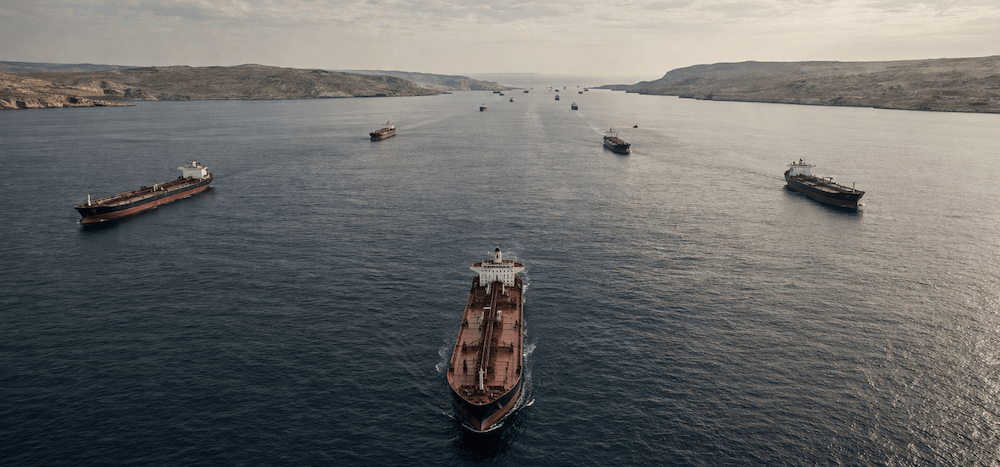
The Bab el-Mandeb Strait — the narrow passage connecting the Red Sea to the Gulf of Aden — became a risk premium. But tankers didn’t stop moving.
Instead of transiting the Suez Canal, many vessels rerouted around the Cape of Good Hope — adding roughly 10 to 14 days to voyages between Asia and Europe, according to the World Bank. Insurance costs surged, and freight rates followed.
The oil was still there. It just got harder — and more expensive — to move. This wasn’t a supply crisis. It was a friction tax. And friction, for a time, could be absorbed.
Today, the pressure has shifted to the system’s most critical point.
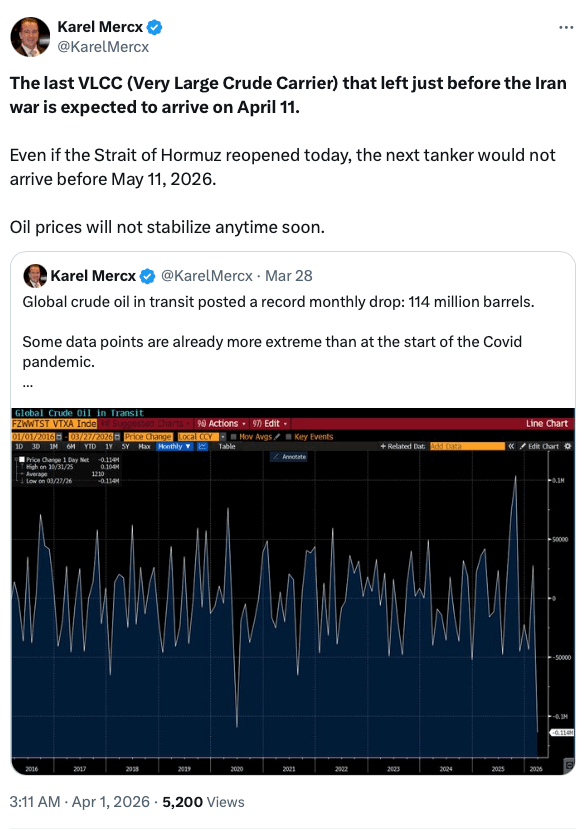
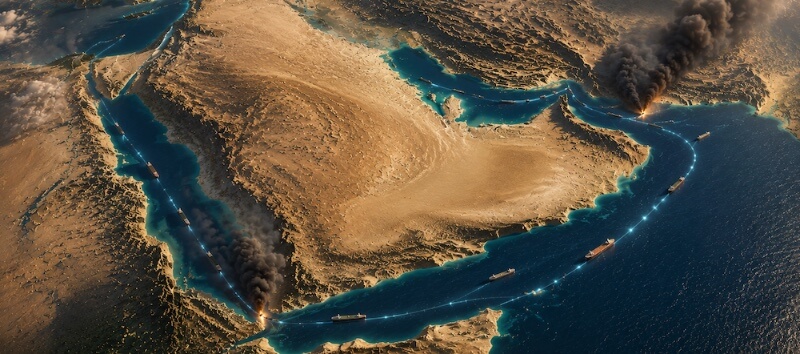
The Strait of Hormuz is not just another shipping lane. It’s the single most important chokepoint in global energy markets. Roughly one-fifth of the world’s total oil supply passes through it each day — about 20 million barrels — per the U.S. Energy Information Administration.
While there are workarounds, they are extremely limited. Pipelines in Saudi Arabia and the UAE, for instance, can bypass some flows, but not anything close to full volume.
In other words, most of what moves through Hormuz must move through Hormuz.
That’s the difference. You can go around the Red Sea. You can’t meaningfully go around Hormuz, and that changes the nature of the risk. When flows are disrupted here, barrels arrive late. Eventually, they don’t arrive at all.
Beyond crude oil — as well as refined products including gasoline, diesel and jet fuel — liquefied natural gas and petrochemical feedstocks all move through the same corridor. The knock-on effects hit everything from global shipping costs to power generation to fertilizer production.
Step back, and the pattern comes into focus. COVID distorted the system. The Red Sea rerouted the system. Hormuz now threatens to break the system.
Each phase removed another layer of resilience, and that matters more than most headlines suggest. Because when energy supply chains tighten, the effects don’t stay contained — they proliferate.
Markets, for now, are treating this like another temporary disruption, another rerouting to price in. But the system they’re pricing isn’t the one we had in 2019. It’s tighter, less redundant and more exposed to exactly the kind of risk now coming into view.
They weaken, reroute and stretch — until one day, they no longer resemble the system as it once was.
Market Rundown for Monday, April 6, 2026
S&P 500 futures are slightly in the green at 6,625.
Oil’s down 0.60% to $110.85 for a barrel of WTI.
Gold is up 0.40% to $4,698.40 per ounce.
And Bitcoin’s up 3.20% to $69,500.
Dead End Ahead
Posted July 24, 2026
By Matt Insley

Iraq Is Back
Posted July 22, 2026
By Matt Insley

Newsom's Plan B for Billionaires
Posted July 20, 2026
By Matt Insley

Jim Rickards: Slower Inflation Isn’t Lower Inflation
Posted July 17, 2026
By Matt Insley

Corning’s Second Act
Posted July 14, 2026
By Matt Insley